




Overview
Educational toys for toddlers play a vital role in nurturing early childhood development. These toys are designed to engage little minds with activities that stimulate learning and creativity, perfectly aligned with a toddler’s growing curiosity. As toddlers grow rapidly, the right toys can support various milestones, from motor skills to language acquisition.
Choosing toddler learning toys that match your child’s age ensures that playtime is both fun and developmentally beneficial. Toys tailored to specific age groups encourage skill-building without causing frustration or boredom. This guide explores the best educational toys by age, helping parents select items that truly contribute to their child's growth.
“The right educational toys not only entertain but also foster essential skills that form the foundation for lifelong learning.”
What Makes a Toy Truly Educational
Not all toys labeled as educational deliver the same benefits. A truly educational toy actively promotes child development by encouraging exploration, problem-solving, and creativity. These toys stimulate the senses and challenge toddlers to think critically.
Key characteristics of effective educational toys include:
- Age-appropriateness to ensure safety and engagement
- Promoting fine and gross motor skills
- Encouraging language and cognitive development
- Stimulating imagination and social interaction
Interactive elements and open-ended play options help toddlers learn cause and effect while building confidence. Choosing toys that grow with your child can also extend their educational value and enjoyment.
Educational Toys for 1-Year-Olds
At one year old, toddlers are beginning to explore their surroundings with increasing mobility and curiosity. The best educational toys for toddlers at this stage focus on sensory exploration and basic motor skills.
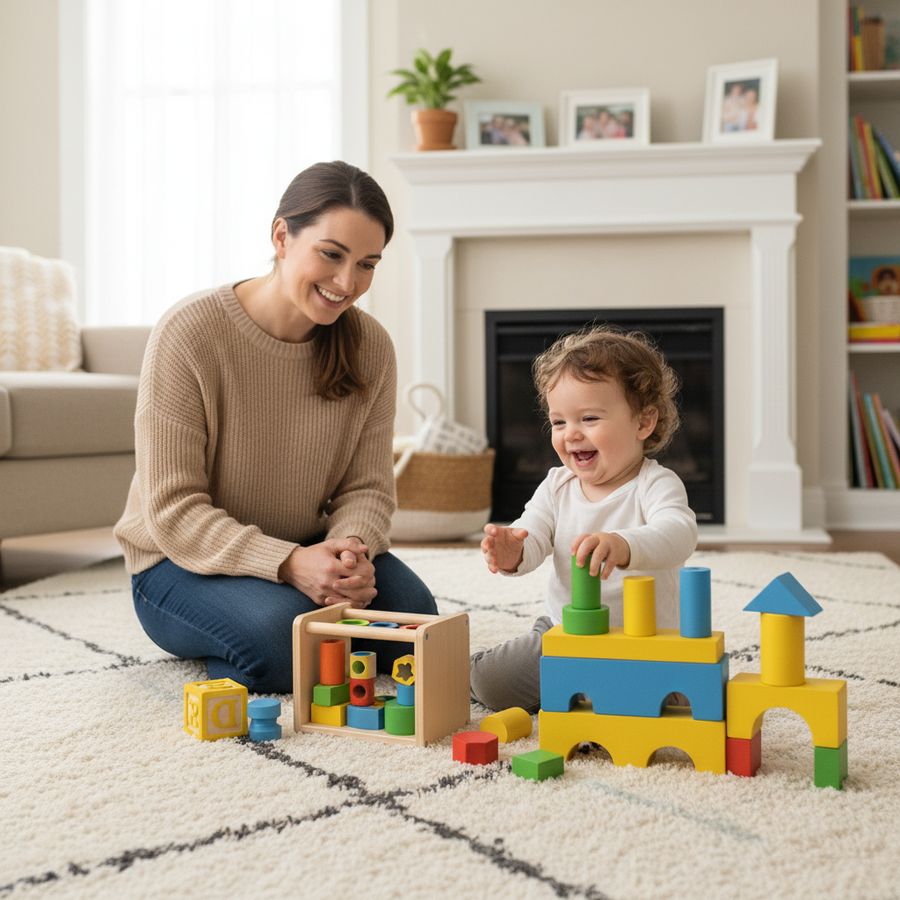
Toys that encourage crawling, stacking, and simple cause-and-effect actions are ideal. Examples include soft blocks, shape sorters, and musical toys that introduce sounds and rhythms. These toys help develop hand-eye coordination and early problem-solving abilities.
Bright colors, varied textures, and safe materials are essential to keep a 1-year-old engaged and safe. At this stage, toys that stimulate the senses and encourage discovery lay the groundwork for language and cognitive skills.
Educational Toys for 2-Year-Olds
By age two, toddlers are developing more refined motor skills and beginning to use simple words. Toys by age for 2-year-olds should promote imaginative play and language growth.
Consider toys like building blocks, simple puzzles, and pretend play sets that encourage creativity and social interaction. These toys help toddlers practice coordination and problem-solving, while also expanding their vocabulary.
Toddler learning toys at this age support independence and curiosity. Interactive books, stacking cups, and shape puzzles are excellent choices that keep toddlers engaged while fostering essential developmental skills.
Educational Toys for 3-Year-Olds
At three years old, children are ready for more complex challenges that encourage critical thinking and language development. Educational toys for this age group often focus on problem-solving, imaginative play, and fine motor skills.
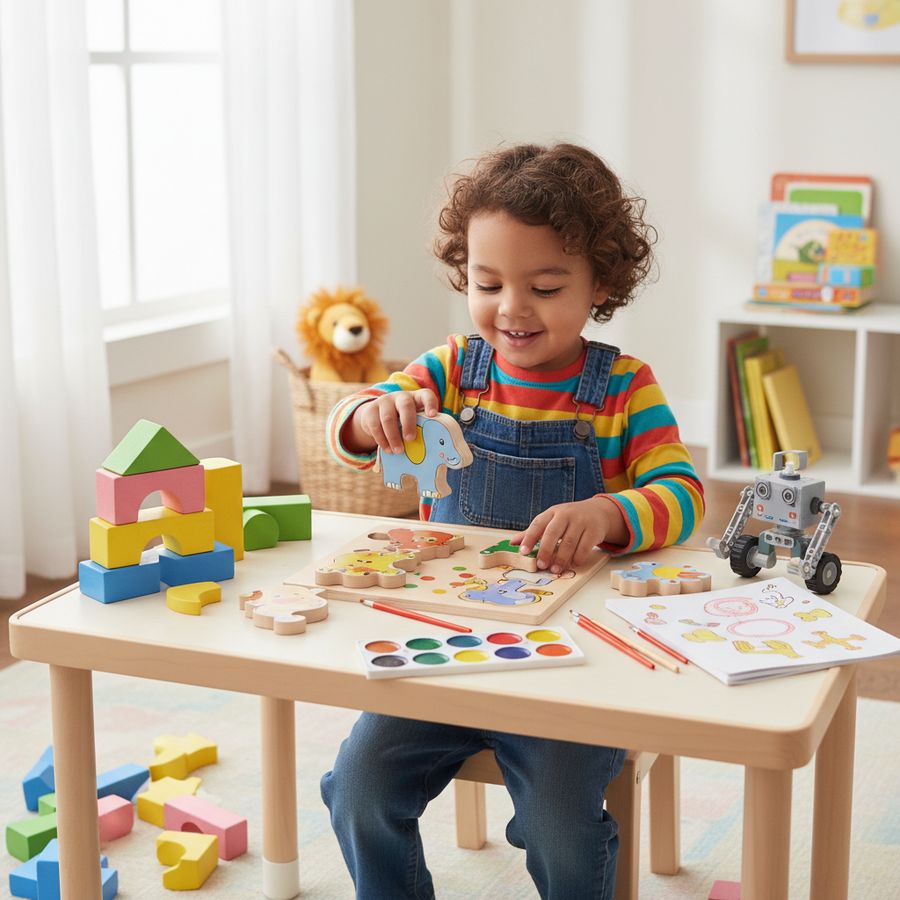
Examples include more advanced puzzles, art and craft kits, and introductory science toys. These toys encourage toddlers to follow instructions, build patience, and explore new concepts.
Group play and cooperative games also become important, helping children develop social skills and emotional intelligence. Selecting toys that inspire creativity and curiosity will enhance your child’s learning journey at this stage.
Skills to Build: Motor, Language, Problem-Solving
Educational toys for toddlers target three core skill areas essential for early development: motor skills, language, and problem-solving. Each skill supports a child’s ability to interact with and understand their world.
Motor skills develop through toys that encourage movement, such as push toys and stacking sets. These enhance coordination and muscle strength. Language skills grow through interactive toys that introduce sounds, words, and storytelling.
Problem-solving skills are nurtured by puzzles and cause-and-effect toys that challenge toddlers to think critically and make decisions. Together, these skills build a strong foundation for lifelong learning and confidence.
Safety Tips and Age Ratings Explained
Ensuring the safety of educational toys is paramount. Age ratings on toys provide important guidance for selecting safe and appropriate items for toddlers. These ratings consider factors like choking hazards and developmental readiness.
Always choose toys made from non-toxic, durable materials and inspect them regularly for wear or damage. Avoid small parts for children under three years old to prevent choking risks.
“Following age recommendations and safety guidelines helps keep playtime fun and risk-free.”
Supervised play and understanding the safety standards behind educational toys will give parents peace of mind while supporting their child’s growth.
Conclusion
Choosing the best educational toys for toddlers by age ensures that playtime is both enjoyable and enriching. Tailored toys support crucial milestones in motor skills, language, and problem-solving, fostering a love of learning from an early age.
By understanding what makes a toy truly educational and following safety guidelines, parents can confidently select toys that contribute positively to their child’s development. Investing in age-appropriate, thoughtfully designed toys encourages toddlers to explore, discover, and grow with joy.
Remember: the right educational toy today can spark a lifelong passion for learning tomorrow.